Investing in a forklift is a key step for any material handling or warehousing business. Choosing your first forklift involves more than just lifting capacity; it also encompasses safety, productivity, after-sales service, and long-term durability. This guide will help you make an informed decision, step by step.
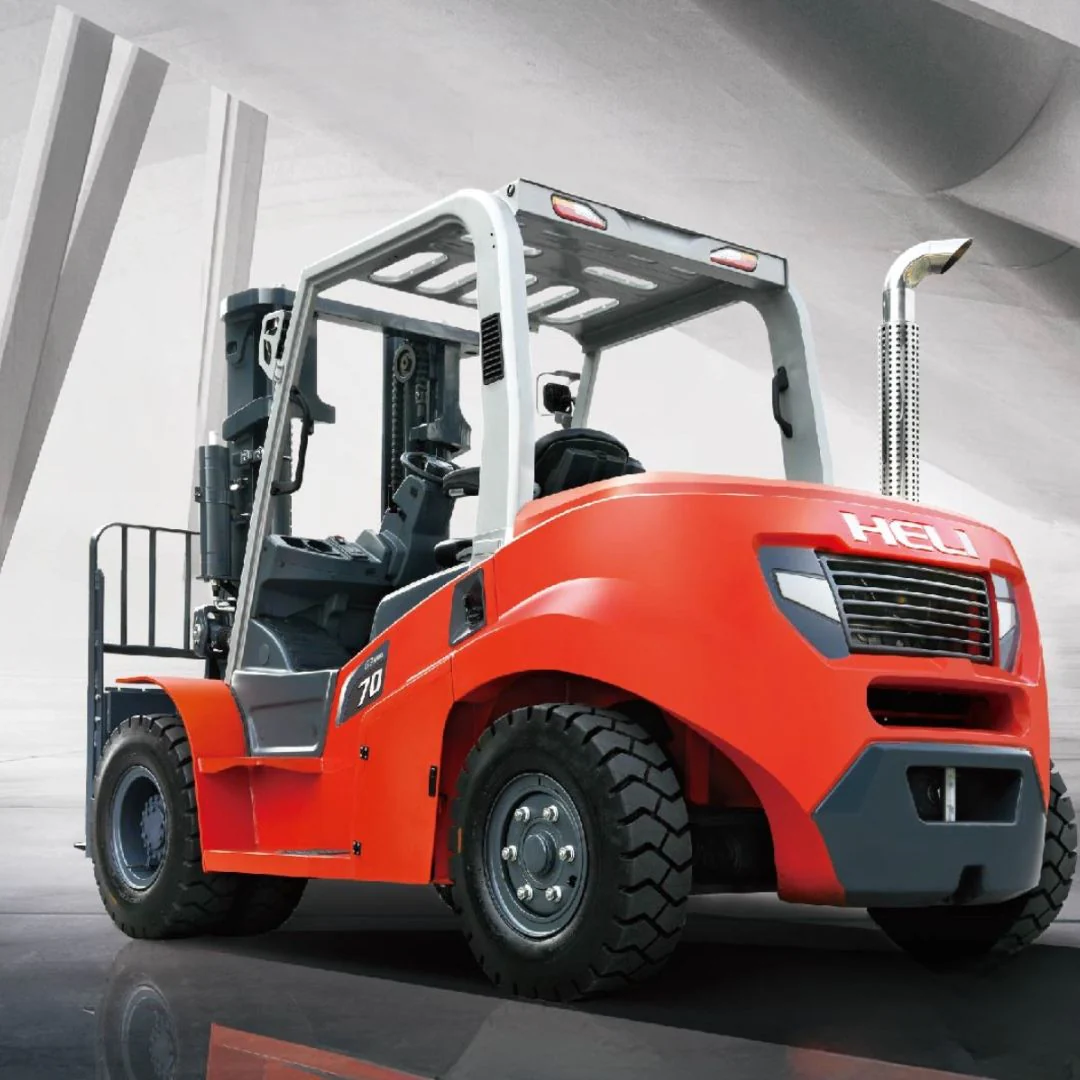
1. Understanding Your Operational Needs
Before looking at models or brands, it’s essential to analyze your operations:
- Required lifting height: Some warehouses require very high lifting heights, while others require lower but more frequent lifts.
- Intended use: indoor, outdoor, or both? The choice of motor largely depends on this factor.
- Width of aisles and traffic areas: Some machines are too wide for narrow aisles.
- Daily usage: intensive or occasional?
Practical example: A warehouse with narrow aisles and a high volume of order picking would benefit from a compact three-wheel electric forklift, while an outdoor operation involving heavy lifting would require a rugged internal combustion forklift.
2. Electric or combustion engine: choosing the right powertrain
Electric forklifts
- Quiet and emission-free, perfect for indoor use.
- Less maintenance and more cost-effective in the long run.
- Ideal for businesses looking to combine productivity and sustainability.
Internal-combustion forklifts
- Better suited for heavy loads and prolonged outdoor use.
- No more maintenance or fuel consumption, but reliable and durable.
Techlift Tip: For a mixed fleet, it often makes sense to use electric vehicles for indoor use and internal combustion vehicles for outdoor use, in order to optimize performance and costs.
3. New or used: finding the right option
New forklifts:
- Full warranty and immediate availability of parts.
- Maximum reliability and extended service life.
Certified used forklifts:
- Daily usage: heavy use or budget-friendly option, ideal if you're on a tight budget.
- Essential checks: maintenance history, inspection, and warranty.
At Techlift, we offer both options, with models tailored to every application and comprehensive support to ensure safety and performance. 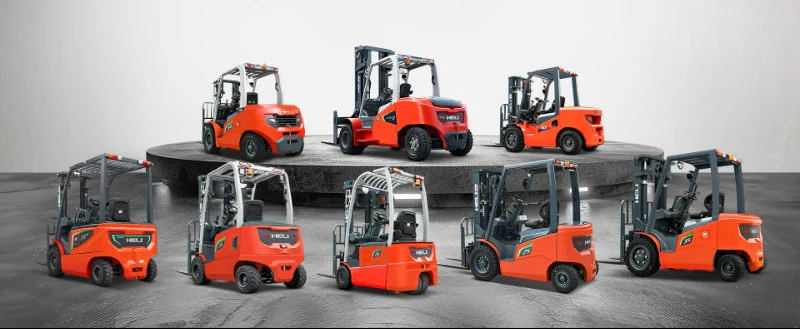
4. Key criteria to consider
- Load capacity and lift height: Make sure the forklift can handle your maximum loads.
- Maneuverability: turning radius, cart width, and ease of use.
- Durability and maintenance: Some models require less maintenance, which reduces the total cost of ownership.
- Accessories and options: clamps, special forks, long-life batteries… These details can improve day-to-day efficiency.
5. Common mistakes to avoid
- Don't base your purchase solely on the initial price: the long-term costs (maintenance, parts, energy) are higher.
- Don't skip the test drive: trying out the cart in your own environment lets you check its comfort and maneuverability.
- Choosing a supplier that doesn't offer a full range of services: access to parts, maintenance, training, and support are essential.
- Don't just focus on today: plan for your business's future growth.
Conclusion
Choosing your first forklift doesn’t have to be stressful. By asking the right questions, carefully comparing your options, and partnering with a reliable supplier, you can confidently invest in equipment that will boost your productivity and ensure the long-term success of your business.
Ready to find the perfect forklift for your business?
Contact us today for a personalized consultation and learn more about our customized solutions.